A Rolex can be more than a watch: it may be a valuable asset that a lender will accept as collateral for a short-term loan. That can sound appealing when a client’s payment is late, a production deposit is due, or a slow month lands between gigs. But borrowing against a watch is not free money. The main risks are interest and fees, temporary loss of possession, and forfeiture if not repaid.
For Los Angeles creatives, the timing can matter as much as the rate. A freelance photographer, actor, producer, or stylist may have strong earning power but no predictable paycheck arriving every other Friday. Banks often prefer consistent income and familiar documentation. A Rolex-backed loan may be an alternative, but it brings its own costs and deadlines—and the watch’s resale value is not guaranteed.
Here’s a practical playbook for understanding the trade-offs before you hand over a watch.
1. Understand What You’re Borrowing Against
Asset-backed lending is a loan secured by something you own. The lender assesses the collateral, offers a loan amount based partly on its estimated value, and takes possession of the asset or otherwise establishes control over it. If you repay according to the agreement, you get the asset back. If you don’t, the lender may have the right to sell it and apply the proceeds to the debt.
With a Rolex, the amount you can borrow is usually not the same as the watch’s retail price—or even the price you see in an online listing. A lender may consider the model, condition, age, box and papers, service history, current demand, and how quickly it could resell the watch. It may also lend only a portion of its own valuation, leaving room for resale costs and changes in the market.
That difference is important. The secondary-market price is not a guaranteed cash-out value. A listing price is what a seller is asking; the final sale price may be lower. The lender’s offer is a separate figure, based on its process and loan terms.
2. Know Why a Lender May Accept the Watch—and Why a Bank May Not
Traditional banks commonly assess a borrower’s income, credit history, existing debt, and ability to make regular payments. Predictable income is easy to document. Freelancers, independent contractors, and other creatives often have income that arrives in uneven bursts: a campaign fee this month, a residual later, then a long gap while invoices are processing.
That doesn’t mean a creative worker cannot qualify for a bank loan. Tax returns, bank statements, contracts, and a track record of earnings can help tell the story. But a bank may still want documentation that reflects a regular capacity to repay. A watch-backed lender focuses more directly on the asset, although it may still check identity, ownership, and other information.
It’s worth keeping the comparison in perspective. Morgan Stanley, for example, is associated with broader wealth-management and lending services, not a promise that every borrower or every Rolex qualifies for a particular loan. The right option depends on your finances, the lender’s requirements, and the terms actually offered—not the prestige of a company name.
3. The Core Downsides to Weigh Before You Borrow
Interest and fees can make a short-term loan expensive
A loan may look manageable when you focus only on the amount you receive. The full cost can include interest, origination or processing charges, storage or insurance fees, renewal costs, late fees, and other charges spelled out in the contract. Fees can change the effective cost substantially, especially if a loan that was supposed to last a few weeks turns into several months.
Ask for the total payoff amount on specific dates—not just a headline rate. If the lender quotes a monthly rate, ask what it means over the full term. Find out whether interest is simple or compounded, whether fees are deducted from the amount you receive, and what happens if you need an extension. Compare the payoff figure with your likely cash flow, not with an optimistic guess about when a client might pay.
You lose access to the watch while it is pledged
Temporary loss of possession can be a real cost, even if you intend to repay. You cannot wear the Rolex, lend it to a family member, or sell it elsewhere while the lender holds it. That may matter if the watch is a personal milestone, part of your professional image, or something you plan to use during an event or shoot.
Before signing, ask where and how the watch will be stored, whether it is insured while in the lender’s custody, what the policy covers, and how a claim would work if the watch is lost or damaged. Get the watch’s identifying details and condition documented, ideally with clear photos, at the start of the loan.
Missed repayment can mean forfeiture
The biggest risk is forfeiture if not repaid. Depending on the contract and applicable law, a lender may be able to sell the watch after a default or after a required notice period. You could lose an asset worth more to you than the immediate cash you borrowed. A late client check does not necessarily pause the lender’s deadline.
Read the default, grace-period, notice, and sale provisions carefully. Ask what happens if you pay late, pay part of the balance, or request an extension. Do not assume a lender will wait because you have a good reason. Get any extension in writing before the due date.
The valuation can be lower than you expect
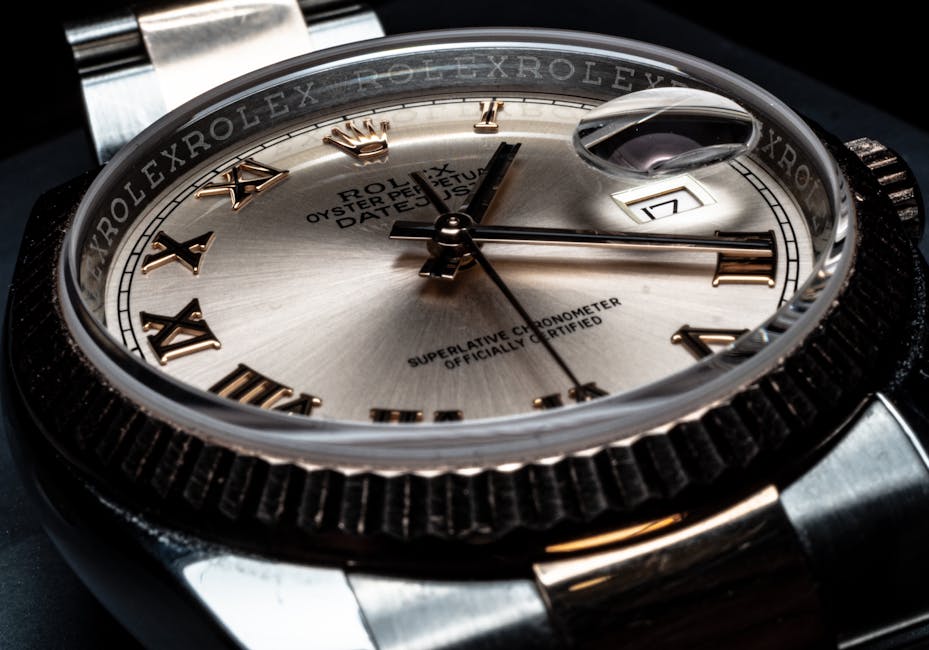
Rolex models differ widely in demand, and condition matters. Polishing, replacement parts, missing papers, a damaged bracelet, or a recent service issue may affect an offer. A lender also needs to account for the costs and uncertainty of reselling the watch, so its loan offer may be well below the amount you believe the watch is worth.
For context, Rolex secondary-market prices rising 1.7% in Q1 2026 would describe a period-level market movement, not a promise that an individual watch gained 1.7% or that it can be sold quickly at a particular price. Prices vary by reference, condition, location, and transaction. Past movement does not lock in a future valuation.
Market value can fall while the loan remains due
The debt and the resale market do not move together. You owe according to the contract even if demand cools or comparable watches sell for less. If the watch is sold to cover a default, the proceeds may not erase every obligation in every lending arrangement. Ask how sale proceeds are applied and whether you could still owe money afterward.
4. Check the Lender’s Valuation Process, Not Just Its Offer
A credible lender should be able to explain how it evaluates the watch and how it arrives at the loan amount. Look for an authentication and valuation process that checks details such as the reference and serial information, condition, originality, service records, and comparable transactions. Ask whether the review is in person, whether you can receive a written valuation, and what happens if you disagree with Article source it.
Some lenders may use global secondary market pricing visibility to compare a watch against activity in different markets. That can help provide context, but it does not make every quoted price equally reliable. Ask which data points matter, how recent they are, and whether the figure reflects completed sales or asking prices. A clear explanation is more useful than a confident-sounding number with no supporting detail.
Diamond Banc, for example, is a company people may encounter when researching loans secured by luxury assets. Treat any provider—including a familiar name—as a lender to evaluate, not an automatic recommendation. Compare the written contract, total cost, custody arrangements, and default rules. If you are in Los Angeles, do not let a convenient meeting near Beverly Hills or N. Camden Drive substitute for checking the paperwork.
5. Use This Playbook Before Pledging Your Rolex
Work out the actual cash gap. Write down the bill or expense, the amount needed, and the date it is due. Borrowing more than the gap can increase the cost without solving a real problem. Build a realistic repayment date. Use money you can reasonably expect to receive, such as an approved invoice with a known payment schedule. Do not base the plan on a hoped-for booking or a client who has not confirmed a payment date. Get the complete loan terms in writing. Confirm the amount you receive, interest and fees, payment dates, extension rules, late charges, and exactly how default and sale are handled. Compare the offer with other options. Depending on the situation, that could mean negotiating a payment date, asking a client for a deposit, using savings, or comparing other financing. Avoid making a high-interest credit card the automatic fallback; it can be costly too, but a Rolex loan is not automatically cheaper. Document the watch and custody terms. Record its condition and identifying details. Ask about secure storage, insurance, access, and the process for getting it back after repayment. Stress-test the plan. Ask what happens if the client pays a month late, a project is canceled, or another bill arrives first. If one delay would make repayment impossible, the loan may put the watch at unacceptable risk.6. Compare the Risk Against the Alternative
A Rolex may be a liquid luxury asset relative to something difficult to sell, but “liquid” does not mean instant, risk-free cash. Selling the watch outright may produce a different result from borrowing against it. A sale ends your ownership but avoids a loan balance; a collateral loan preserves the possibility of getting the watch back, while adding interest, fees, deadlines, and default risk.
Use the comparison below as a starting point. The actual outcome depends on the buyer or lender and the specific agreement.
Option What you give up Main question to ask Rolex-backed loan Possession during the loan, plus borrowing costs Can I repay on the contract schedule even if a client pays late? Sell the watch Ownership of the watch What is the realistic net sale amount after any selling costs? Negotiate a payment date or deposit Potentially time, leverage, or a client relationship Can I get the revised timing in writing before the bill is due?Bottom Line: Borrow Against the Watch Only With a Clear Exit
Using a Rolex as collateral can solve a short-term cash problem when conventional underwriting does not fit irregular freelance income. But you are exchanging possession of a valuable personal asset for cash that comes with a clock attached. Interest and fees can build, the watch can be valued below your expectations, and failure to repay can lead to forfeiture.
The practical rule is simple: do not pledge the watch unless you understand the total payoff, have a realistic repayment source, and can accept the consequences if that source arrives late. The Los Angeles Tribune’s coverage of business and entrepreneurship can help readers think through financial choices, but no article can replace a careful review of the loan agreement. If the contract is unclear, ask the lender for plain-English answers—and consider getting independent legal or financial advice before signing.