The conversation around nearshoring has moved from "should we?" to "how fast can we?" for most North American manufacturers and 3PLs. Mexico is the logical answer for supply chain resilience, but cold storage is a different beast than dry warehousing. When I sit down with ops managers, the first thing I Website link ask is: What breaks first in your operations? In cold chain, it’s usually the seals, the power redundancy, and the maintenance schedule. Whether you build your own facility or outsource to a 3PL, you aren’t just buying space; you’re buying risk management.
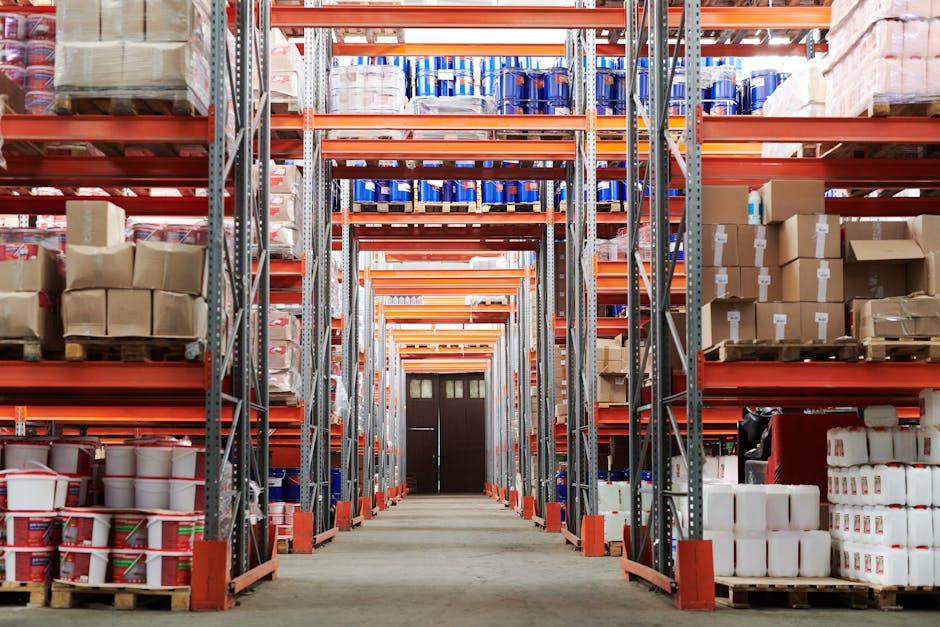
The Nearshoring Pull
The shift toward Mexico isn't just about labor costs anymore. It’s about shortening the lead time from production to the end consumer in the U.S. markets. When you look at the border corridors—specifically the Laredo-Nuevo Laredo crossing, the Tijuana-San Diego corridor, and the Bajío region—the demand for refrigerated capacity is outstripping supply.
However, many firms enter the Mexican market assuming it’s a copy-paste of a U.S. project. It isn't. Utility stability, local permitting timelines, and seismic compliance requirements differ wildly from state to state. If you are scouting sites, look for industrial hubs with established infrastructure for power and water—these are non-negotiable for cold storage.
Building Your Own: The Speed-to-Market Factor
If you build, you control the infrastructure. This is critical for high-turnover 3PL cold chain operations where every second of temperature variance costs money. The most efficient projects I’ve seen recently prioritize pre-engineered metal buildings (PEMB) to shave months off the schedule.
According to insights from Build Review, the move toward modularity in industrial steel isn't just a trend; it’s a solution to onsite labor shortages. In Mexico, if you use standard masonry construction, you are at the mercy of local masonry crews and curing times. With prefab steel, the structural frame is manufactured off-site to exact dimensions (measured in millimeters, which we must convert carefully for cross-border logistics), allowing for rapid erection once the foundation is poured.
What Breaks First: The Envelope
If you build, don't skimp on the thermal envelope. I’ve seen too many developers save money on insulation panels, only to see energy bills skyrocket within six months. Your refrigeration systems are only as good as your insulation.
Outsourcing to a 3PL: The "Asset-Light" Strategy
Outsourcing cold storage in Mexico is a viable play for companies that don't want to get mired in local land acquisition and permitting. A 3PL with an established footprint in Mexico already knows which municipalities have the best power grids.
However, outsourcing doesn't mean "set it and forget it." You are still responsible for the integrity of your product. You need to audit their refrigeration systems annually and ensure they have N+1 redundancy on their cooling units. If their compressors fail, it’s your inventory that goes to waste.
Key Warehouse Specs for Cold Storage
Whether you build or lease, don't let a developer give you a generic "Class A" box. Cold storage requires specific structural and utility considerations. If the specs don't hit these marks, walk away.
Structural and Utility Requirements
Feature Specification Requirement Operational Reason Floor Slab 6-8 inch steel-fiber reinforced concrete Prevents slab cracking and heaving from frost penetration. Clear Height Minimum 32 feet (9.75 meters) Vertical density is required to offset high refrigeration costs. Loading Docks Pit levelers with thermal dock shelters Air infiltration is the primary killer of cold chain efficiency. Power Supply Dual-feed or heavy-duty generator backup Mexico’s grid reliability varies; product loss is not an option.Site Selection: The Border Corridors
Where you plant your flag determines your logistics costs. The major industrial hubs are not created equal. If you are serving the U.S. West Coast, Tijuana is your home base. If you are shipping into the Midwest, the Laredo/Monterrey corridor is the throat of the entire supply chain.
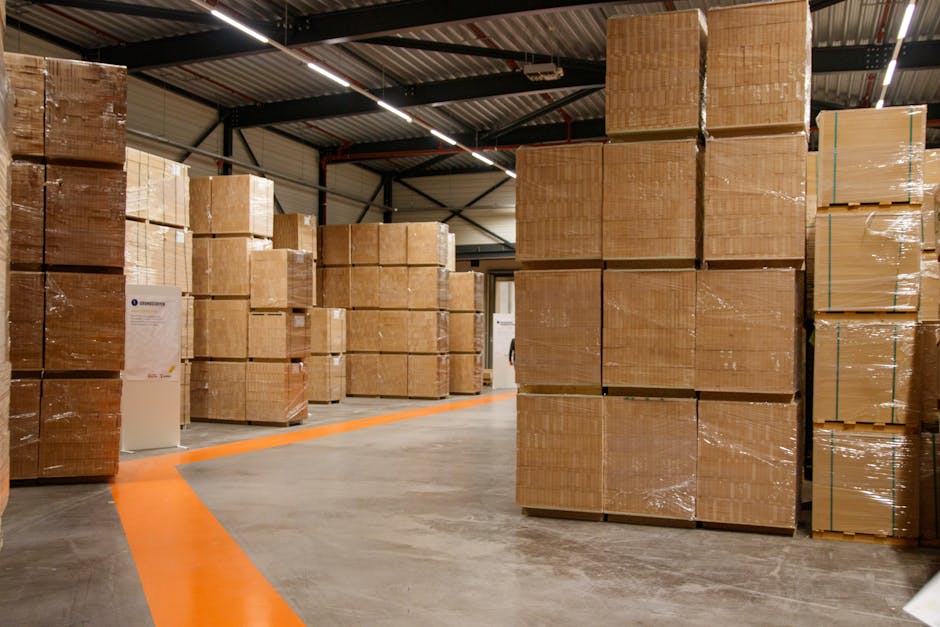
I always warn developers: Check the water table and utility capacity before you sign the land deed. I’ve seen projects delayed by 18 months because the local municipality couldn't provide enough amperage for the refrigeration systems. A beautiful warehouse is just a very expensive tomb for your product if the lights don't turn on.
The Verdict: Build or Outsource?
Use this decision matrix to determine your best path forward:
Volume Stability: If your product flow is predictable and massive, build. You need to amortize the high CAPEX of refrigeration systems over a long period. Operational Expertise: Do you have an in-house facility manager who understands ammonia or CO2 refrigeration cycles? If not, outsource to a 3PL. Do not learn on the fly. Market Volatility: If you are testing the waters in the Mexican market, sign a lease with a 3PL. It’s better to pay a premium on storage than to be stuck with an empty building and a multi-million dollar tax liability.Ultimately, the "cold storage Mexico" market is maturing. Gone are the days of makeshift facilities. Today, it’s about precision. Whether you are working with an engineering firm to erect a prefab steel structure or vetting a local 3PL partner, keep your focus on the utility specs and the reliability of the mechanical systems. Everything else is just paint.
What breaks first in your operations? Start there, and build (or buy) around the solution.