Most business owners think that adding premium upgrades to their website or mobile app is a simple matter of hitting the "publish" button. They assume that if they build a better version of their product, the users will naturally flock to the checkout page. In my 12 years of auditing signup flows and mobile checkouts, I have seen this philosophy destroy more home-based businesses than bad inventory management ever could.
If you want to move toward value-based monetization, you need to understand that your users are not looking for a "game-changing" experience. They are looking to solve a problem with the least amount of friction possible. If your upgrade path forces them to jump through hoops, they will simply go back to your free tier—or worse, close your tab forever.
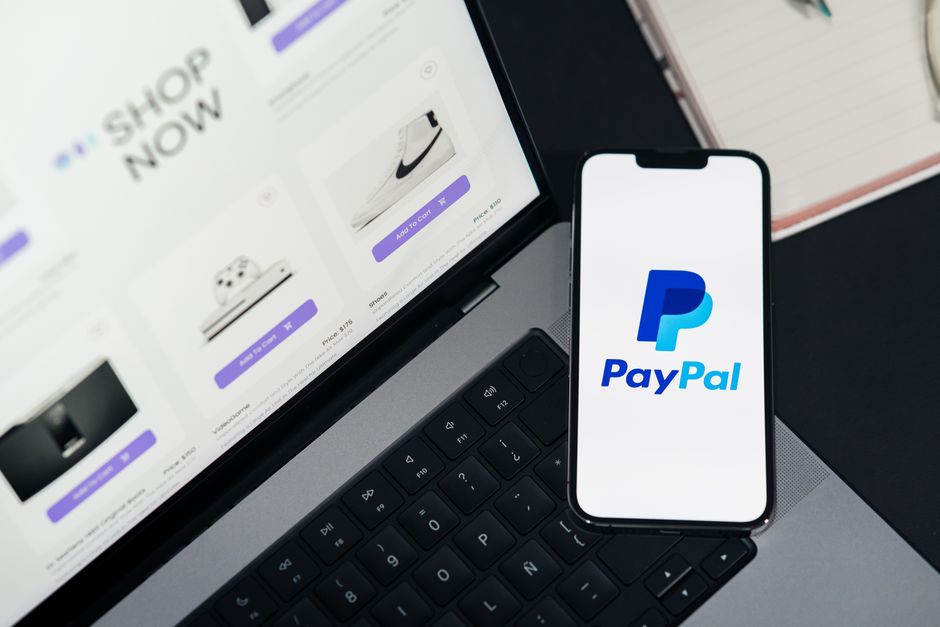
The Physics of Friction: Count Your Clicks
Every time you ask a user to click a button, you invite them to leave. When you insert a "Go Premium" prompt into your navigation, you aren't just presenting an offer; you are introducing a cognitive tax. You need to calculate the "Click Tax" of your upgrade process.
Let’s look at a standard, bloated upgrade flow:
User clicks "Upgrade" button in the menu. User is redirected to a landing page (that takes 3 seconds to load). User clicks "Select Plan." User is forced to create a new profile (even though they are logged in). User enters payment details manually (ignoring secure mobile payment systems). User clicks "Confirm."That is six clicks. If you can trim that down to three, you increase your conversion rate by double digits. A premium upgrade flow should feel like a natural progression of the work your user is already doing, not a detour into a sales funnel.
The Popup Problem: Stop Interrupting the Flow
I keep a running homebusinessmag list of "Annoyance Offenders"—websites that force full-screen overlays before the user has even finished reading a paragraph. Nothing screams "desperation" quite like a massive "Unlock Pro Features Now!" popup appearing while the user is trying to read your pricing or your content.
Popups are the digital equivalent of a salesperson physically standing in front of an aisle in a grocery store, refusing to move until you look at their flyer. If you must use a popup, keep it small, keep it contextual, and ensure it can be closed with a single click. Better yet, move your premium prompts into the UI in a way that feels helpful rather than intrusive.
Example: The Contextual Nudge
Instead of a popup, consider a "gated nudge." When a user tries to access a feature that is reserved for premium members, don't show a generic "Upgrade Now" screen. Show them exactly what they are missing with a preview of the finished result. Use a subtle, non-intrusive banner that links directly to the secure checkout page. That is user experience (UX) design at work.
Value-Based Monetization: Don’t Just Gate Features
Vague promises of "better results" or "unlocked power" don't pay the bills. If you want users to pay for an upgrade, you must clearly define what that value looks like in the real world. Do not tell them your tool is "pro-level." Tell them it saves them two hours of manual data entry per week.

If you have a digital-first business model, your upgrades should be tied to clear utility. Use this table to differentiate between "Feature Gating" (which annoys users) and "Value-Based Upselling" (which converts them).
Strategy Bad Approach Good Approach Feature Access Blocking basic functions to force an upgrade. Offering advanced automation that builds on basic features. Communication Sending aggressive "Upgrade or Lose Access" emails. Providing a 7-day trial of premium features to show ROI. Mobile Checkout Forcing a 10-field form on a smartphone. Using Apple Pay or Google Pay for a 1-click upgrade.Mobile-First Design and Secure Payment Systems
Many small business owners still design their upgrade paths for desktop users, ignoring the fact that more than 60% of their traffic likely comes from mobile devices. If your upgrade button is too small to tap with a thumb, or if your checkout page forces a user to pinch-and-zoom to find the "Submit" button, you have failed your mobile-first duty.
Furthermore, stop asking users to manually type in their credit card numbers every single time. Secure payment systems like Stripe or PayPal offer integrated "one-touch" checkouts. When a user decides to upgrade, they want the transition to be invisible. If they have to get up to find their wallet, you have lost the impulse buy.
Three Rules for Mobile Upgrades
- Keep inputs to a minimum: If you already have their address and email, do not ask for it again. Use native payment options: Enable Apple Pay or Google Pay. These methods use biometric verification, which is faster and more secure than manual entry. Clear success state: As soon as the transaction hits your secure payment system, show an immediate "Welcome to Pro" screen. Don't leave them guessing if the payment went through.
Reducing Friction: The "One-Click" Ideal
True growth comes from identifying the pain points in your current flow and systematically removing them. I often audit sites where the "Upgrade" button is hidden in a deep sub-menu. If your users have to hunt for the ability to pay you more money, you are actively losing revenue.
Place your upgrade call-to-action (CTA) exactly where the user realizes they need more capacity. If your tool allows users to track five projects, place a subtle "Unlock Unlimited" button at the bottom of the fifth project slot. That is not an annoying popup; that is a helpful bridge to the next level of utility.
The Takeaway: Respect Your User's Time
Adding premium upgrades isn't about tricking people into spending money. It’s about building a user experience (UX) that makes the path to professional value effortless. Avoid the "game-changing" buzzwords. Strip out the unnecessary clicks. Kill the annoying popups.
If you can provide a clear, high-value upgrade through a secure, mobile-first payment system that takes less than five seconds to complete, you won't need to worry about annoying your users. You will be providing them with the exact solution they were looking for, right when they need it most.
Audit your flow today. Count your clicks. If you're over five, you’ve got work to do.